Claude got cheaper. Anthropic should still be nervous.
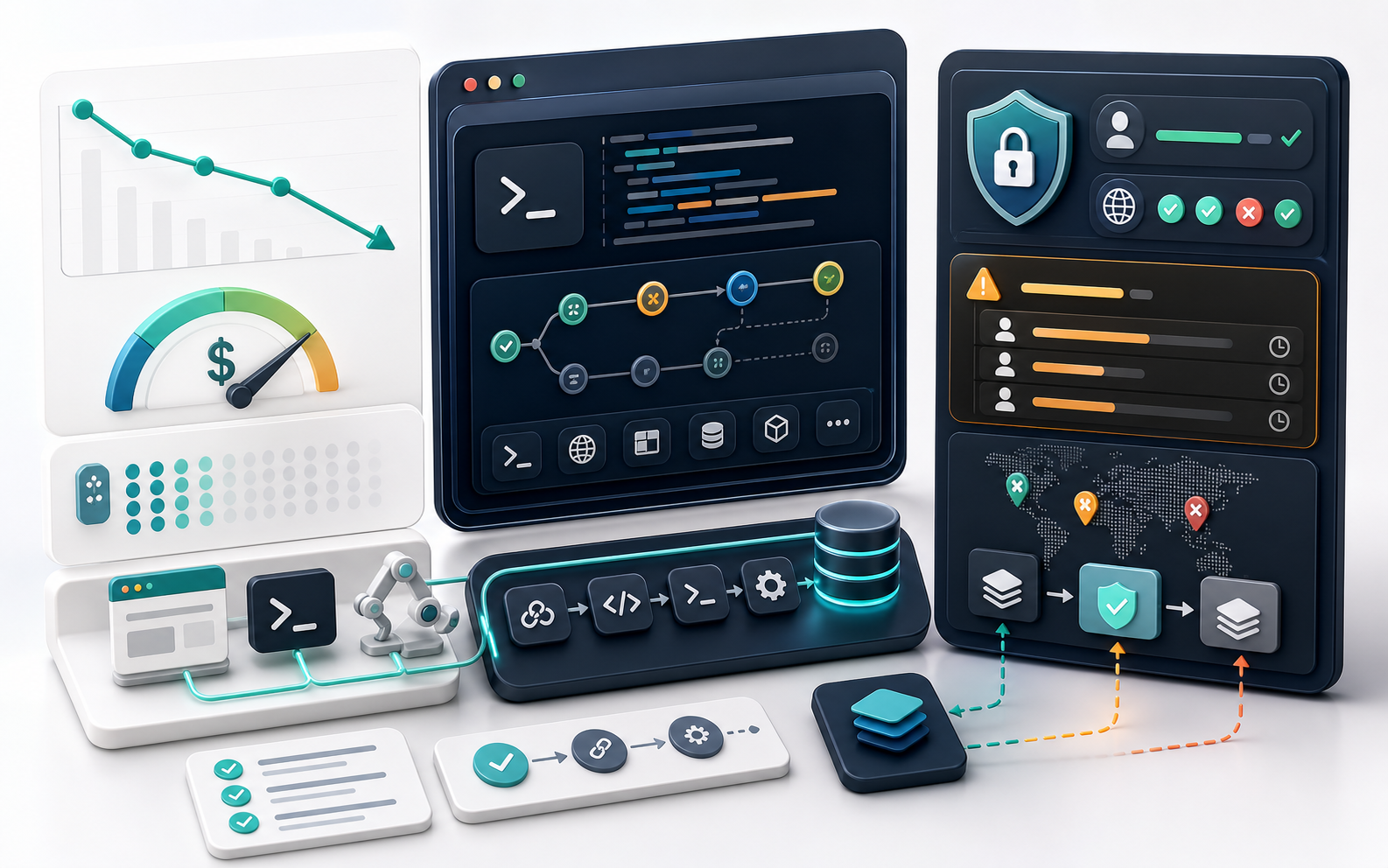
Sonnet 5 is not just a friendly price cut. It is Anthropic's answer to developer cost anxiety, account-enforcement frustration, and the pressure to make agents run at scale. Claude is still powerful, but platform trust is becoming the real bottleneck.

The headline is not that Claude Sonnet 5 is stronger. The headline is that Claude finally got cheaper where developers actually feel the pain. That sounds like good news, but it also exposes the tension around Anthropic right now: model quality keeps rising, while platform trust is becoming harder to ignore.
My read is blunt: Sonnet 5 is Anthropic telling developers, "please do not leave because Opus is expensive and the account system feels unpredictable." Claude is still one of the most serious AI products you can use. But its biggest competitor is no longer only OpenAI, Google, or open-source models. It is Anthropic's own predictability.
Sonnet 5 is Anthropic's "please stay" button
Anthropic describes Sonnet 5 as its strongest Sonnet-class model so far, focused on coding, tool use, browser and terminal workflows, knowledge work, and longer autonomous execution. In plain language: work that previously nudged teams toward Opus is being pulled back into the cheaper, more frequently used Sonnet tier.
That is not charity. It is defense. Developers like Claude, but they do not like runaway bills. Teams want Claude Code, but they do not want to bet production workflows on an account system that can feel opaque. Sonnet 5 matters because it tries to turn "strong agent model" from a luxury into a daily default.
The mainstream developer questions are not poetic. They are brutally practical:
| Workload | Practical strategy |
|---|---|
| Code migrations, multi-file fixes, long agent runs | Sonnet 5 should be the workhorse; reserve Opus for the few tasks that truly justify it |
| High-volume summaries, support drafts, content processing | Ignore the launch copy and measure real cost on your own workload |
| Security, compliance, production automation | Productize refusals, confirmations, logs, and fallback models |
| Personal knowledge bases and Claude Code workflows | Keep local copies; do not trap your durable work inside Claude |
The price cut is real. The marketing needs a footnote.
Claude Sonnet 5 launches with an API introductory price of $2 per million input tokens and $10 per million output tokens through August 31, 2026. On September 1, 2026, the standard price becomes $3 input and $15 output per million tokens.
That is meaningfully below Opus 4.8's $5 input and $25 output pricing. For teams running agents at scale, that is real money and it will change routing decisions.
But do not let the word "cheaper" do all the thinking. Anthropic's pricing page also says Sonnet 5 uses a newer tokenizer, and the same text produces about 30% more tokens, depending on content and workload shape. In other words, Anthropic lowered the unit price. It did not guarantee that your bill goes down.
So a migration should not compare price-per-million alone. Re-measure:
- Input, output, and thinking-token usage on your actual tasks.
- Cache hit rates for long-context prompts and stable prefixes.
- Extra calls caused by retries, refusals, tool failures, and human review.
So yes, the price cut is attractive. But the honest version is this: Sonnet 5 is now a serious default candidate for agent workloads, not an automatic bill-slasher.
The sharp edge is not the model name
Anthropic's migration notes point to several changes developers should check. The model name becomes claude-sonnet-5; tokenizer counts change; adaptive thinking is enabled by default; manually expanded thinking budgets no longer apply in the old form; and non-default sampling parameters such as temperature, top_p, and top_k are not accepted.
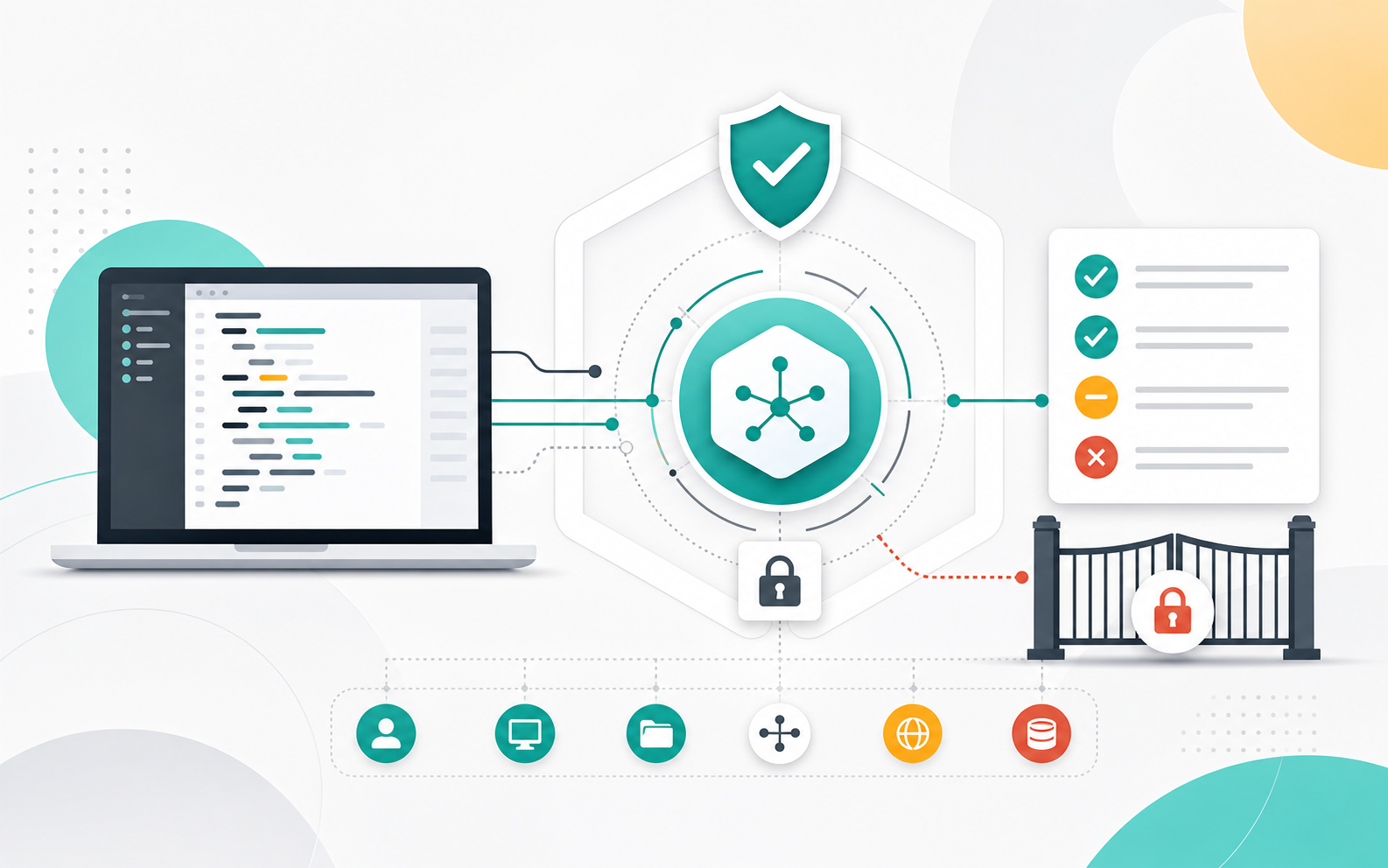
Those are engineering chores. The bigger product issue is that Sonnet 5 is the first Sonnet-tier model with real-time cybersecurity safeguards enabled. For high-risk cyber topics, a request may return HTTP 200 while the model response has stop_reason: "refusal".
That means Claude's safety boundary is no longer just an API edge case. It is part of the user experience. Users will not care why a model refused; they will care that a workflow broke. AI products now need designed paths for refusal, confirmation, fallback models, and human handoff.
Claude's biggest problem is not price. It is predictability.
This may matter more than the launch itself: Claude's core tension is no longer whether the model is good enough. It is whether users dare to rely on it for the long term.
The source article mentions waves of account bans and theories about location checks. Be careful here: public sources do not verify every viral claim. But the larger point is already sharp enough. Anthropic says it may warn, suspend, or terminate access for policy, terms, or supported-region violations, and user frustration around mistaken enforcement and slow appeals is becoming a reputation problem.
For an individual, account loss can mean losing conversations and workflow state. For a developer, it is production risk. For an enterprise buyer, it is procurement risk. A model can be expensive and still be adopted. It cannot feel like the user's work might disappear behind an opaque enforcement decision.
The practical advice is not soft:
- Keep project docs, prompts, task notes, and source files in your own repo or knowledge base.
- Make Claude Code configuration and scripts portable.
- Use compliant organization accounts with clear region and billing ownership.
- Prepare a backup model or manual path for customer-facing delivery.
- If access is suspended, use the official appeal path instead of building a long-term plan around evasion.
Claude can remain excellent. But Anthropic needs account access, regions, enforcement, and appeals to feel like infrastructure, not a lottery.
Claude Science is ambition, and also pressure
Anthropic also announced Claude Science beta, an AI workbench for researchers. It brings literature workflows, notebooks, R, terminals, databases, compute resources, charts, and auditable histories into one environment.
This matters because it shows Anthropic does not only want to sell a chat box or a coding assistant. It wants Claude inside research, life sciences, medical work, and enterprise processes where the budgets are higher and the workflows are harder to replace.
But professional workflows hate unpredictability. They need auditability, reproducibility, recovery, and portability. Sonnet 5 and Claude Science both say the same thing: Anthropic wants Claude inside real work. Fine. Then Anthropic has to meet the standard of real work. A strong model gets you in the door. Stable service earns the renewal.
My take
Sonnet 5 is worth testing seriously. It may become the default Claude model for a lot of developers because it moves capability, speed, and price into a more usable zone.
But I would not call it an Anthropic victory lap. The real win is not shipping a cheaper Sonnet. The real win is making users comfortable putting six months, one year, or three years of workflow into Claude. Right now, Claude's model ceiling is high. Its platform-trust floor is not high enough.
The line to remember is simple: Sonnet 5 reduces cost anxiety, not trust anxiety. If Anthropic does not make account access, appeals, and regional rules feel clearer, Claude will become more painful precisely because it is so useful.
Sources
- Anthropic: Introducing Claude Sonnet 5
- Claude Platform Docs: Pricing
- Claude Platform Docs: What's new in Claude Sonnet 5
- Claude Platform Docs: Migration guide
- Anthropic: Claude Science, an AI workbench for scientists
- Anthropic: Supported countries and regions
- Anthropic Transparency Hub
- Claude Help Center: Safeguards, warnings, and appeals
Related

A Chinese report says Alibaba has told employees to uninstall Claude and Claude Code. The internal ban itself is not publicly confirmed, but Anthropic's China restrictions, distillation accusations, Claude Code marker controversy, and the U.S. 1260H list all point to the same lesson: AI coding tools are now supply-chain risk, not just productivity software.

Google has launched Nano Banana 2 Lite, a faster and cheaper Gemini image model. Here is what changed, where it fits, and when developers should avoid it.