Blog
Practical tools, product updates, technical notes, and growth experiments.
Real-time AI games have a new prototype. “Playable” still has three hard tests.
PixVerse has shown a game-engine architecture that combines a real-time world model, game rules, and agent orchestration. It may reduce the cost of expressing a prototype, but it has not yet proved itself on latency, rule stability, or cost.
An agent phone is not useful until you can control every step it takes
STEPX Neo, Step AOS, and Amoo bring the agent-phone idea into focus. The test is not a smooth demo; it is whether cross-app permissions, approval for consequential actions, and recovery from mistakes are real.

ChatGPT finally learned not to interrupt: GPT-Live splits voice AI into two layers
OpenAI's GPT-Live is not just a more natural voice. It separates continuous conversation from background reasoning, which is the more consequential change for voice products and agents.

ChatGPT wants to do your work. Work is really selling a better task contract.
ChatGPT Work can connect apps and files, break down large tasks, and keep working for hours. Its real significance is that AI assistants now need the same permissions, boundaries, and acceptance criteria as coworkers.
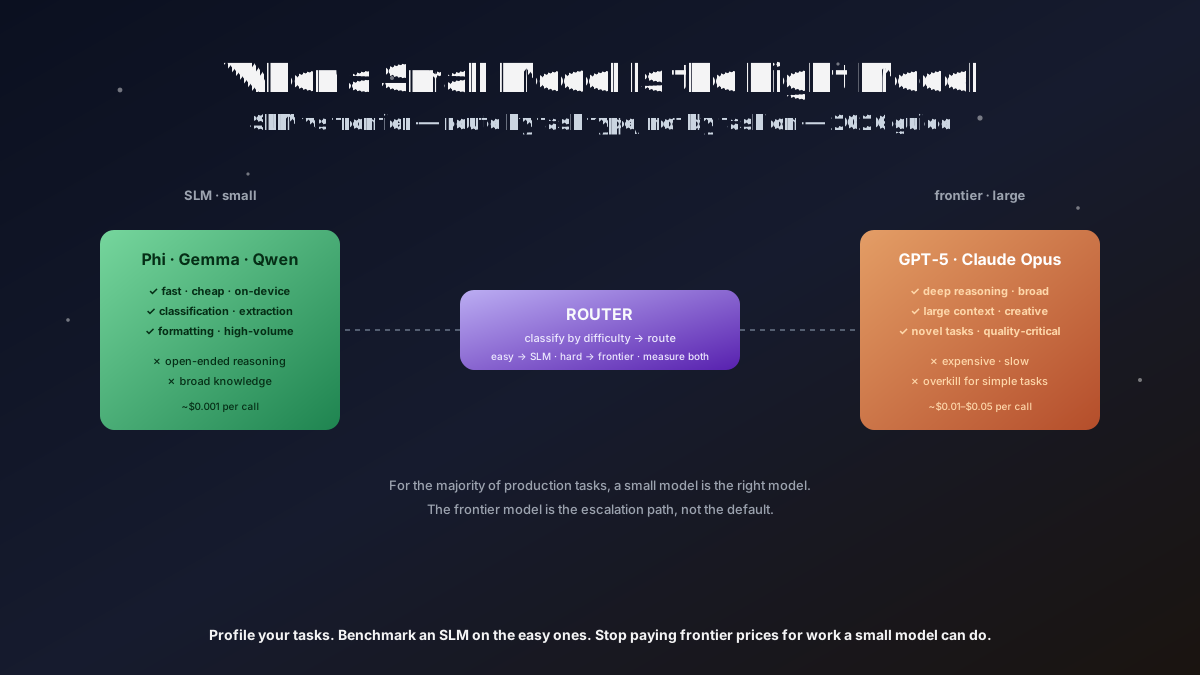
Some jobs do not need the most expensive model every time
Small models are often faster and cheaper for classification, extraction, and formatting. Pairing them with frontier models is usually more practical than picking a side.
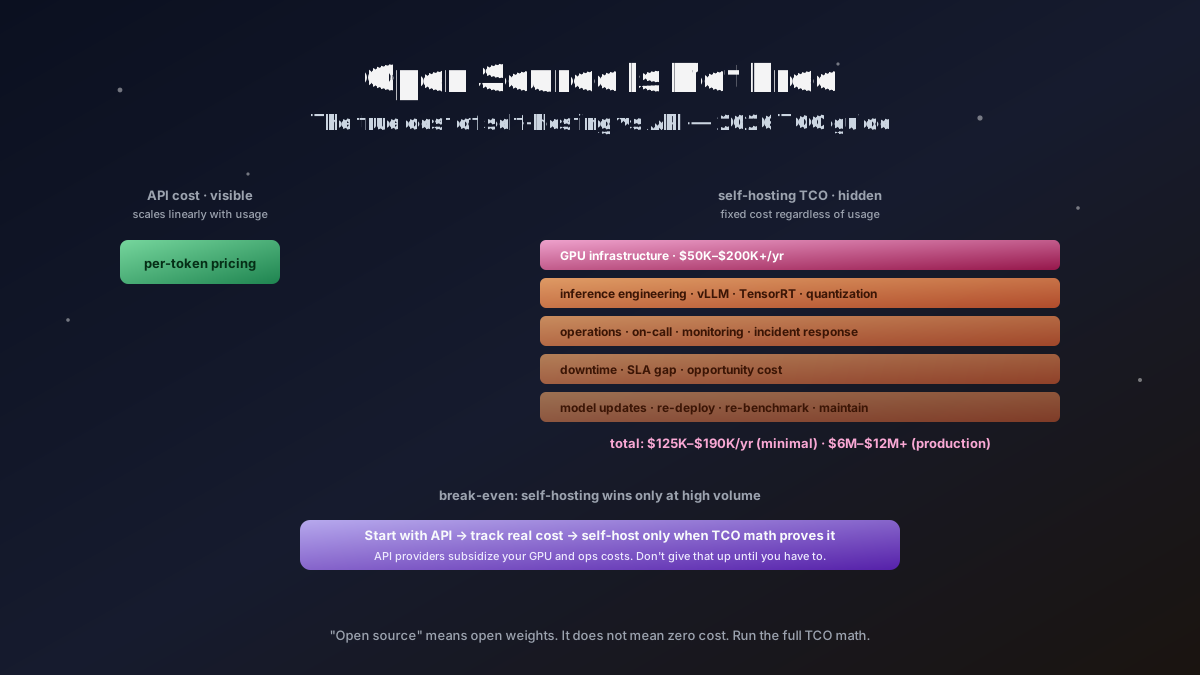
An open model has no API bill. It is not necessarily cheap.
GPUs, operations, inference tuning, and downtime all land on the same ledger. Self-hosting only makes sense after you have done the math on volume and people.
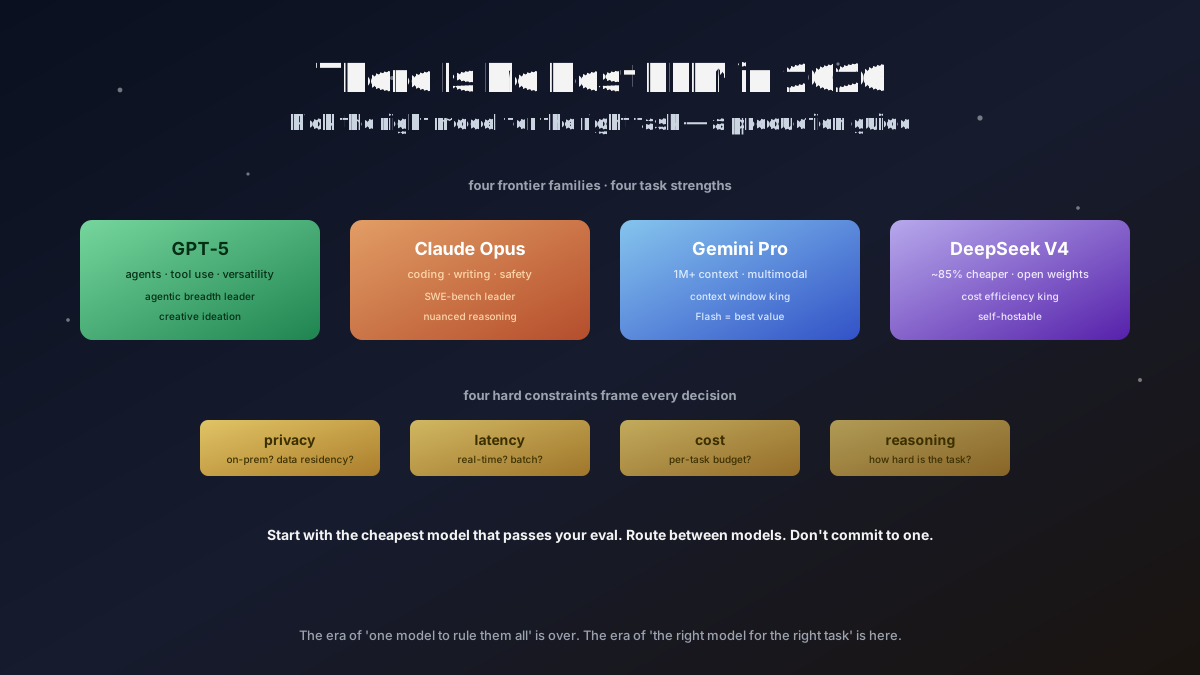
Stop asking which model is best. Describe the job first.
Writing, extraction, long reasoning, and high-volume support do not need the same model. Cost, latency, privacy, and reliability rarely point to one name.
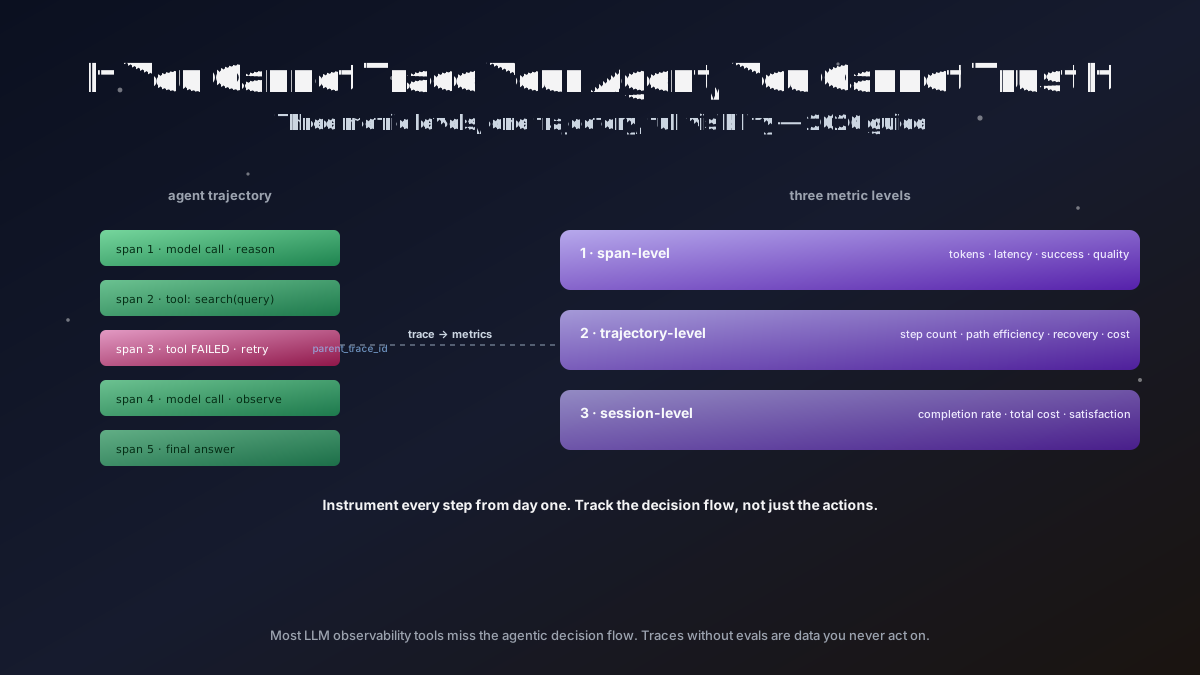
When an agent goes wrong, the final answer is not enough
A twenty-step agent can fail long before its last sentence. Traces of its choices, tools, and retries are how you find the real mistake.
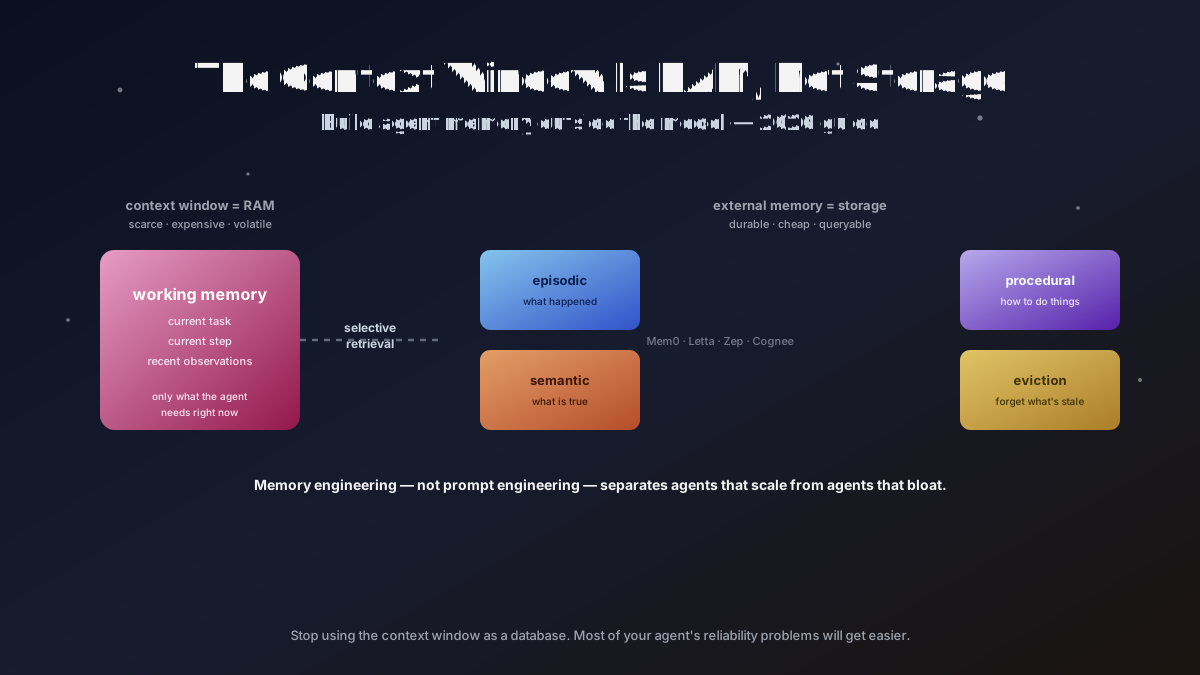
A context window is not an agent's memory
Context fills up, costs money, and disappears. An agent that lasts needs to separate what it is thinking about now from what it should remember later.
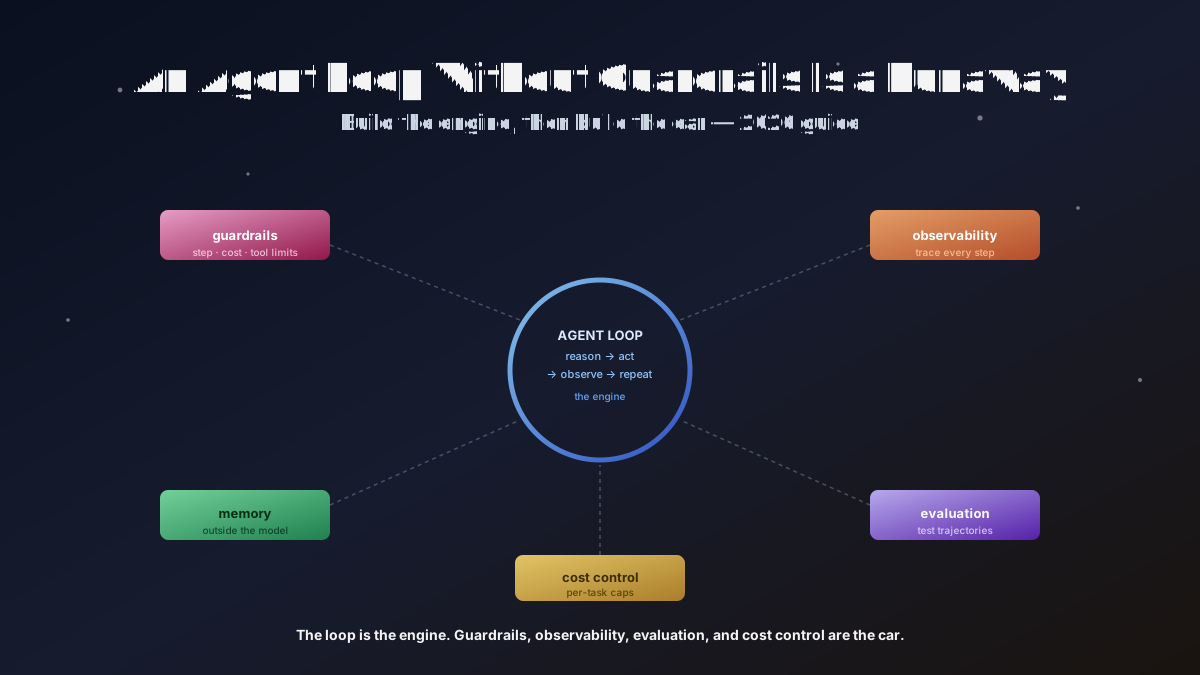
Before an agent gets more capable, it needs somewhere safe to stop
Connecting tools is the easy part. The harder work is making an agent observable, affordable, and safe to correct when it takes a wrong turn.
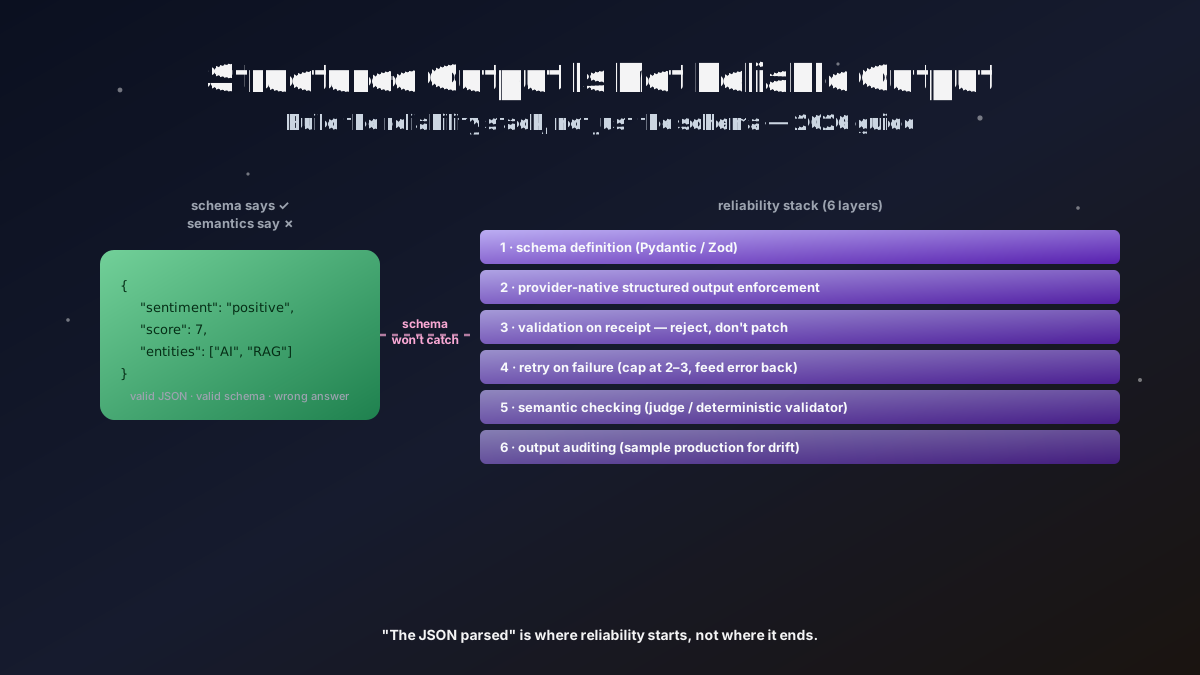
Valid JSON is not the same as a result you can trust
Parsing is only the first gate. Meaning, business rules, and a safe failure path decide whether structured output belongs in a real workflow.
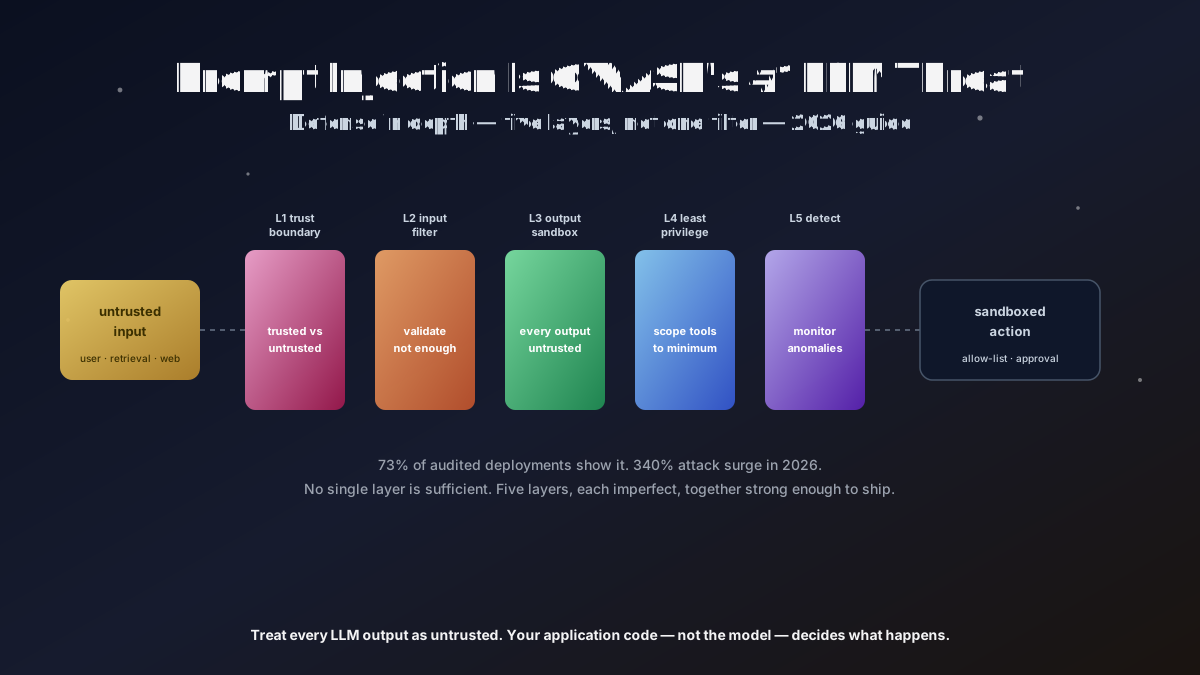
Prompt injection is not solved by filtering a few bad words
Once external content can steer a model, the real problem is not just input cleaning. Permissions, tool calls, and where output lands need a hard boundary.
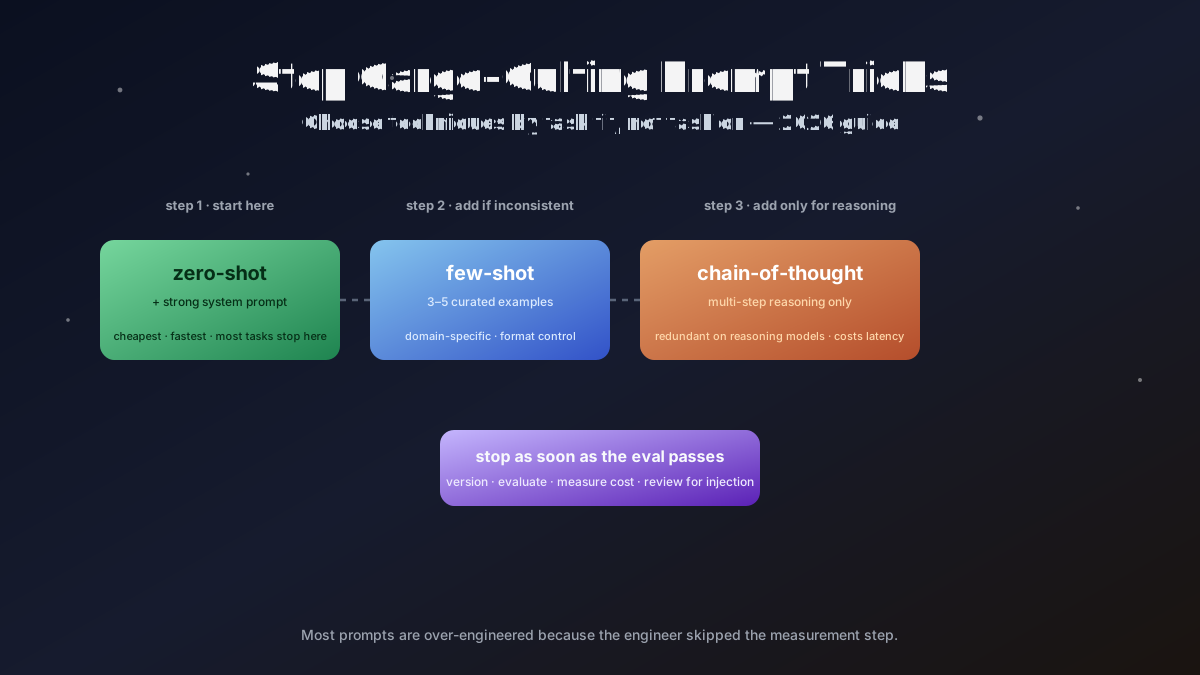
Use fewer prompt tricks. Explain the job more clearly.
Not every request needs examples, chain-of-thought, and a long system prompt. Knowing what information changes the answer is more useful than collecting templates.
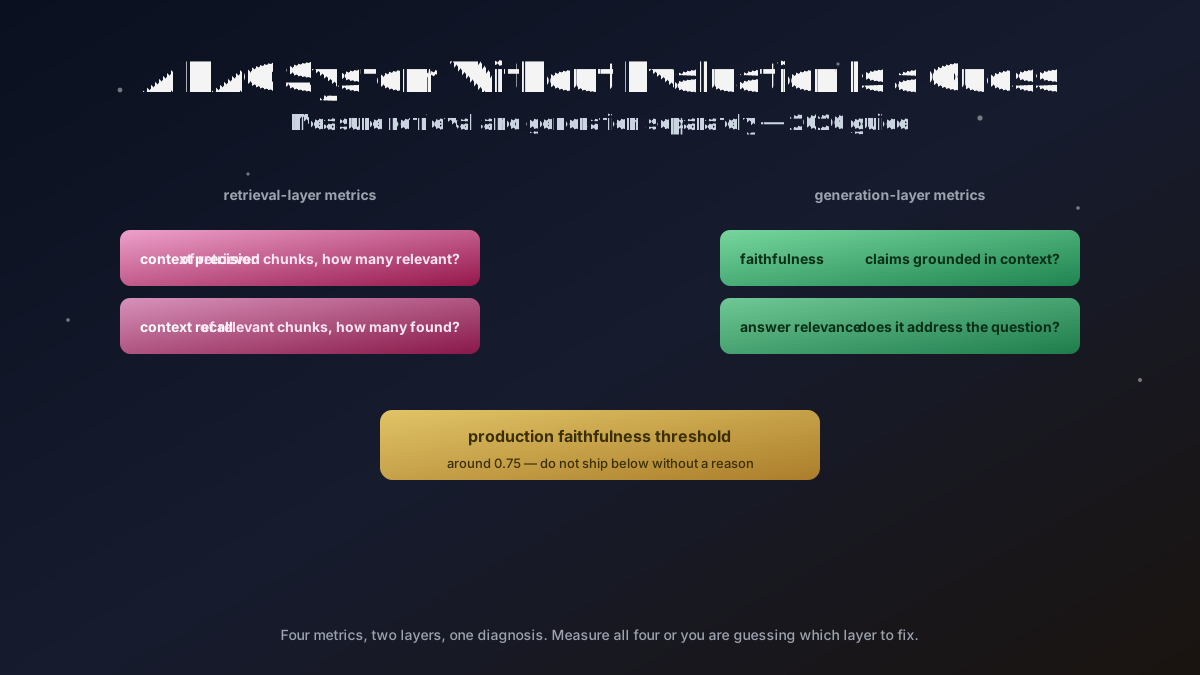
Your RAG answer sounds plausible. Did retrieval find the right thing?
Looking only at the final answer cannot tell you whether retrieval or generation failed. Measure them separately so a confident answer does not leave you guessing.
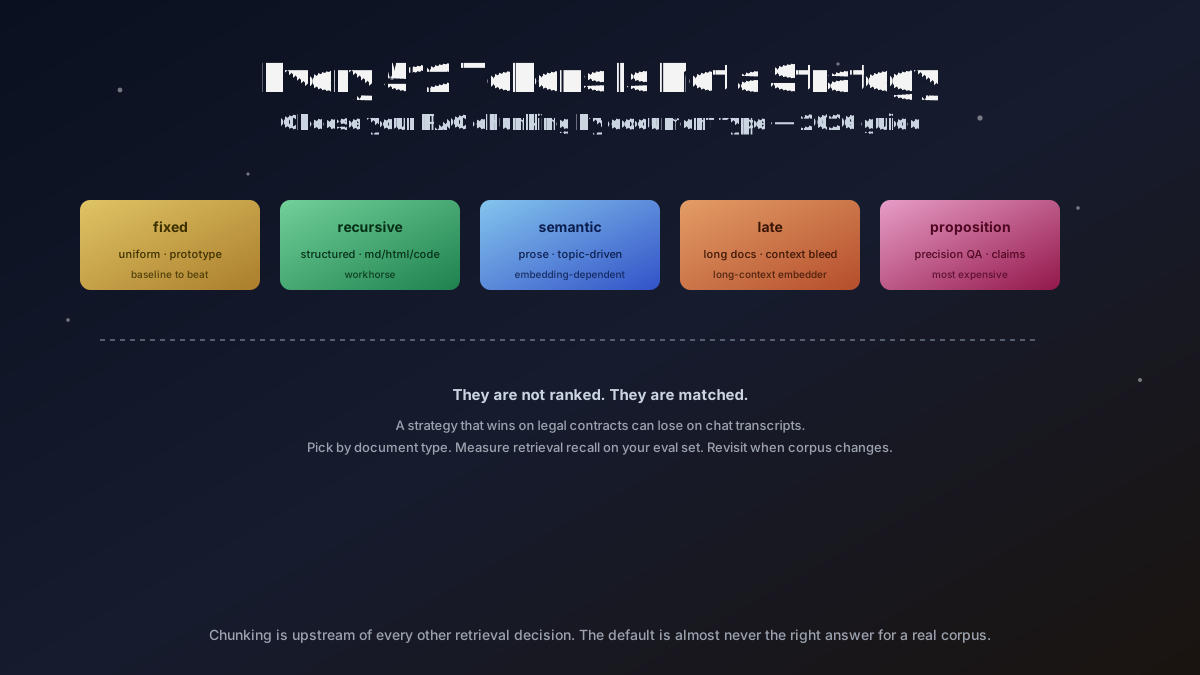
Splitting every document at 512 tokens is not a RAG strategy
How you split a document changes what the model can retrieve and what it loses. Start with the document structure and the questions people actually ask.
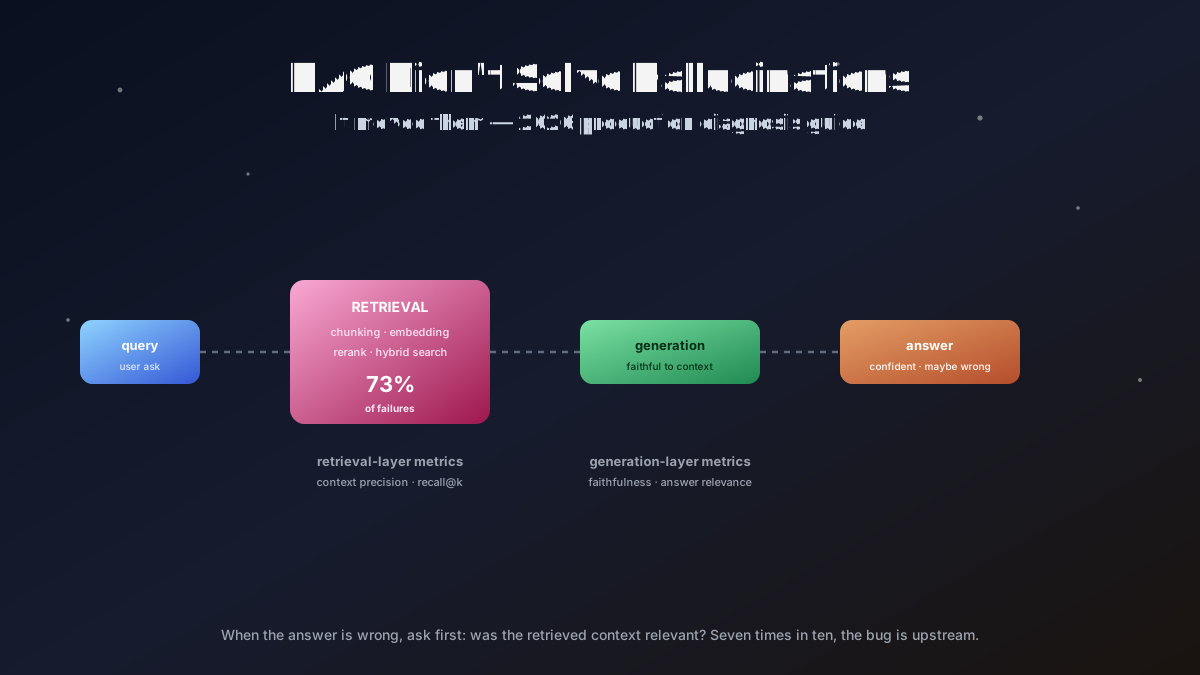
RAG did not stop hallucinations. It made them easier to hide.
A demo that works on three PDFs says little about a real corpus. Splitting, embeddings, retrieval, and stale sources can all produce an answer that only looks right.
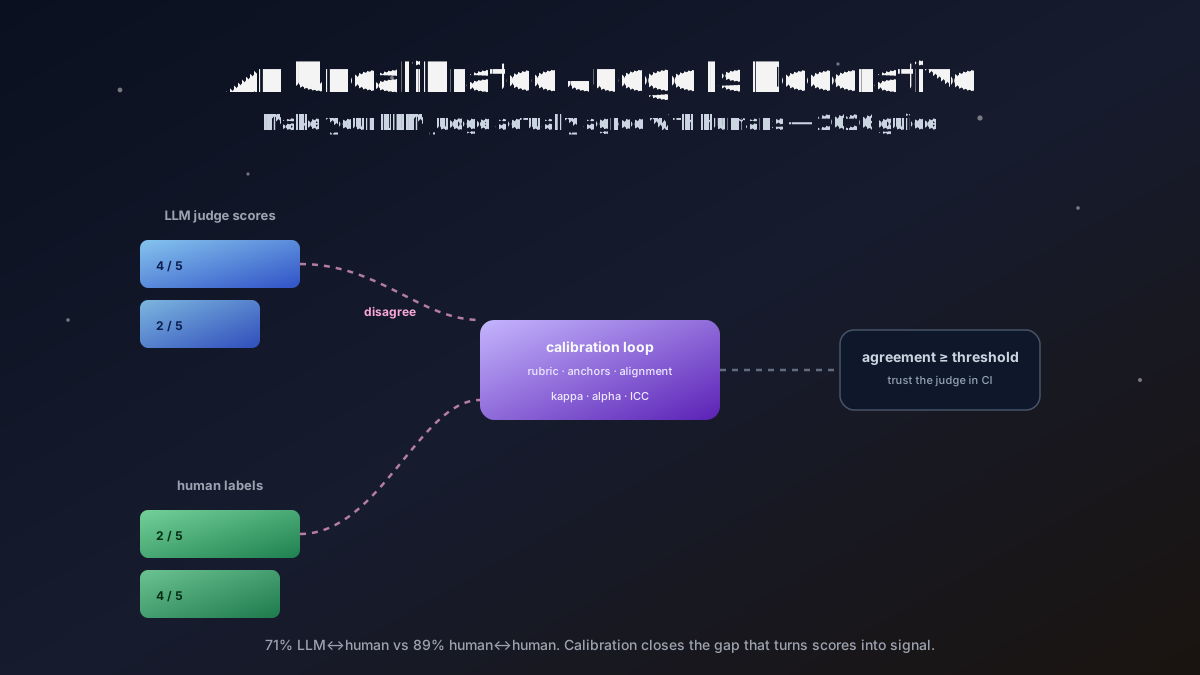
A green dashboard does not mean your LLM judge is right
A model can score confidently while disagreeing with people. Compare it with human labels before treating the result as a quality signal.
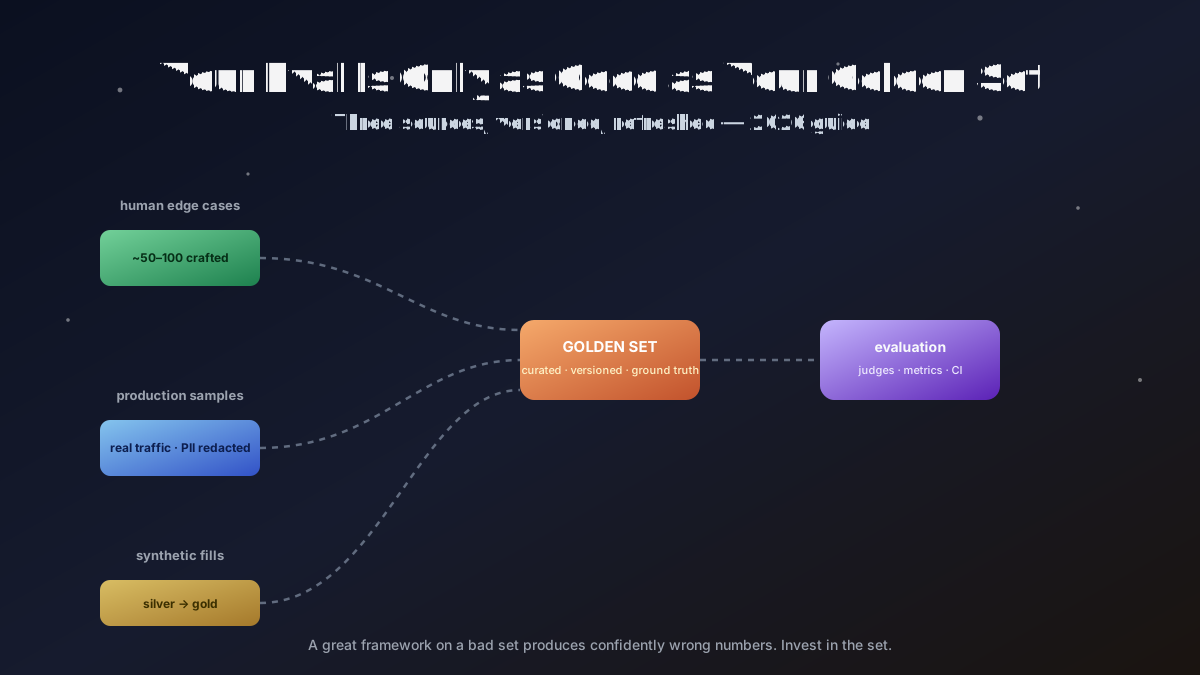
You bought the eval tools. Do you have the examples that matter?
Models, frameworks, and metrics all rest on labeled examples. If those examples do not resemble real users, a polished score will not make a sound decision.
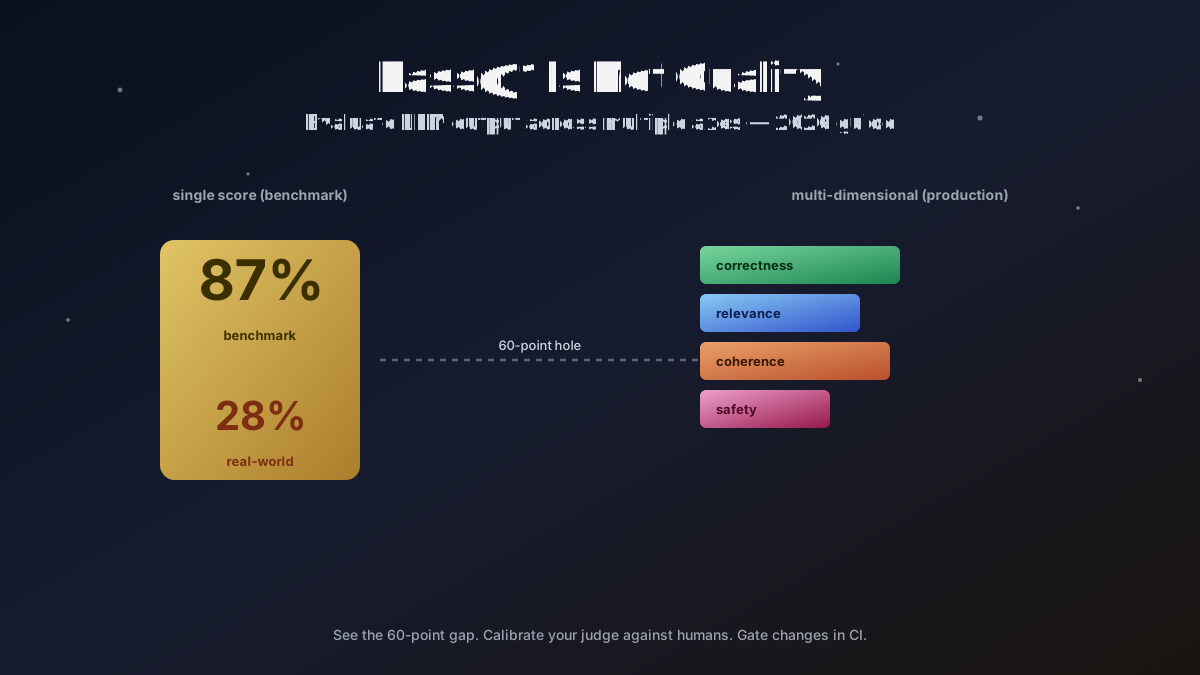
Your model scored 85%. Why is production still a mess?
One score is convenient, but it hides errors in retrieval, format, facts, and user experience. Split the work apart to see where the model actually fails.
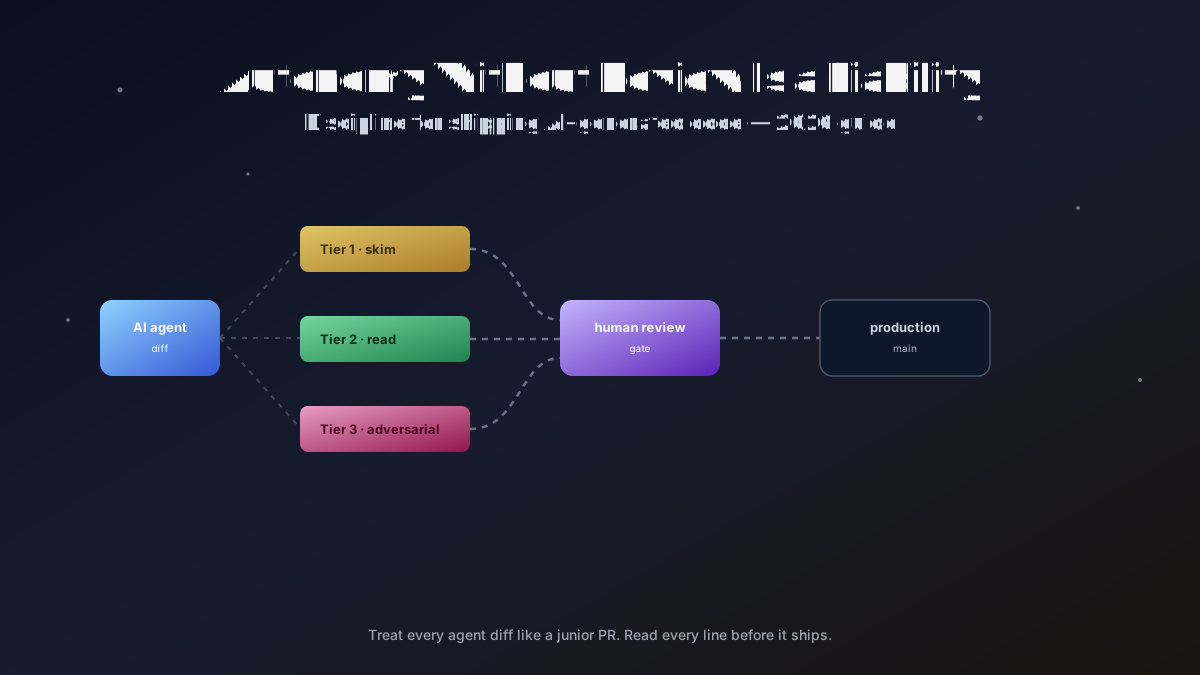
AI writes code quickly. That makes review more important, not less.
Fast diffs can hide slow, expensive failures in permissions, edge cases, and rollback paths. Review is where those problems still have a cheap fix.
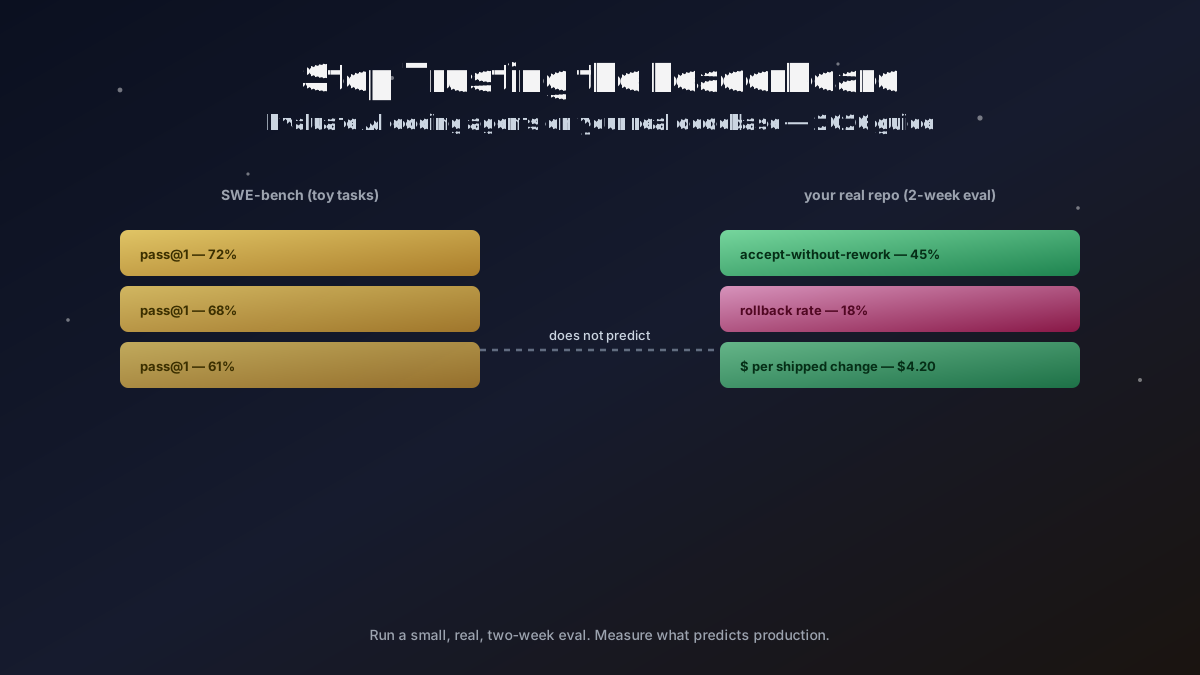
A coding agent can top the leaderboard and still fail in your repo
Benchmarks show broad ability, not whether an agent understands your code, tests, and conventions. A small trial on real work tells you more.
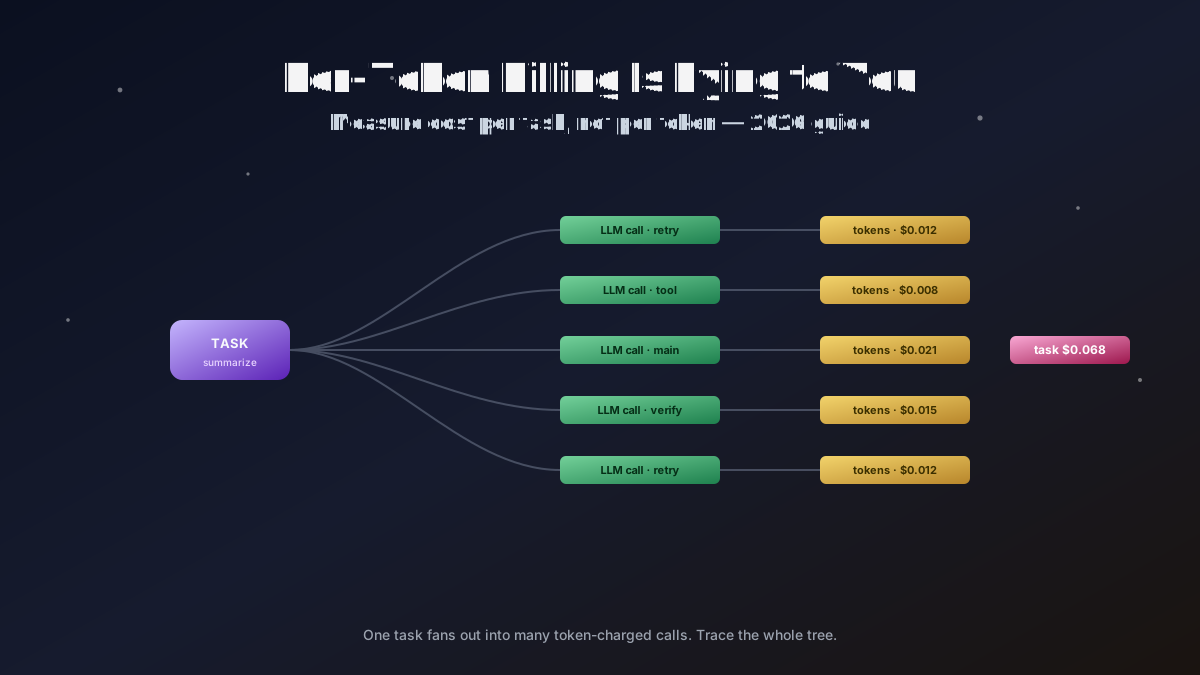
Your bill says tokens. Where did the money actually go?
A total invoice cannot show which feature burns the budget or which workflow loses money. Costs need to be visible per task and per call.
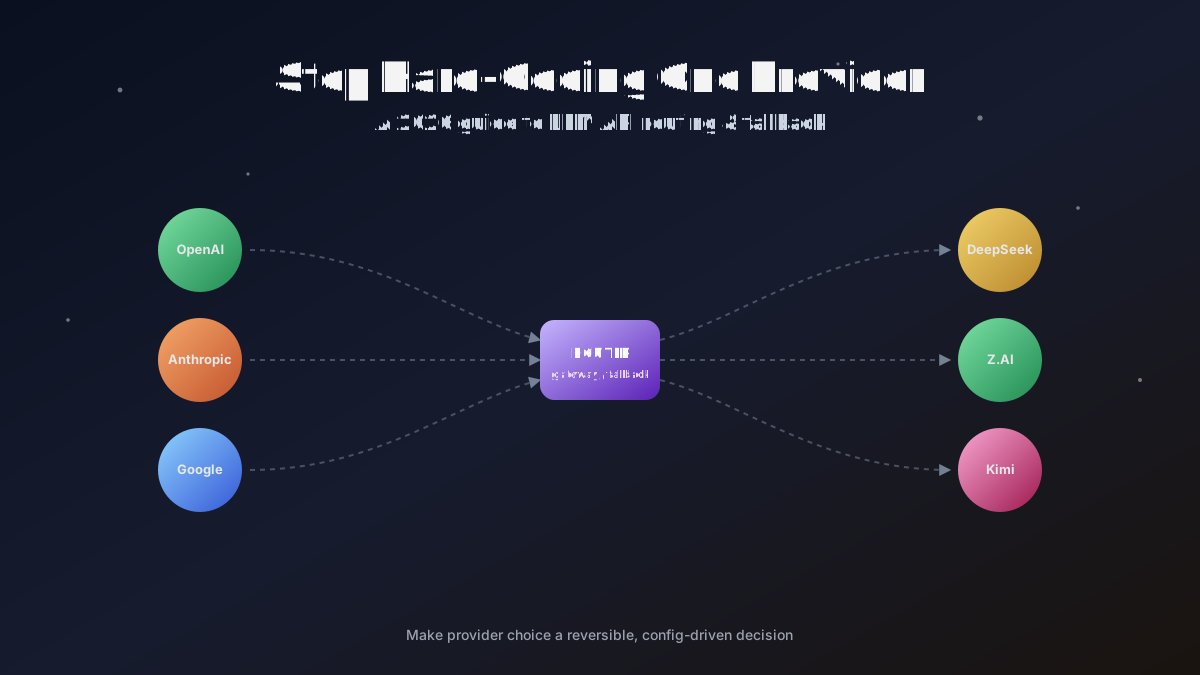
Do not let one model provider become a single point of failure
Prices, limits, and quality all move. Routing and fallbacks are not trend-chasing; they are how an important workflow still has a way through.
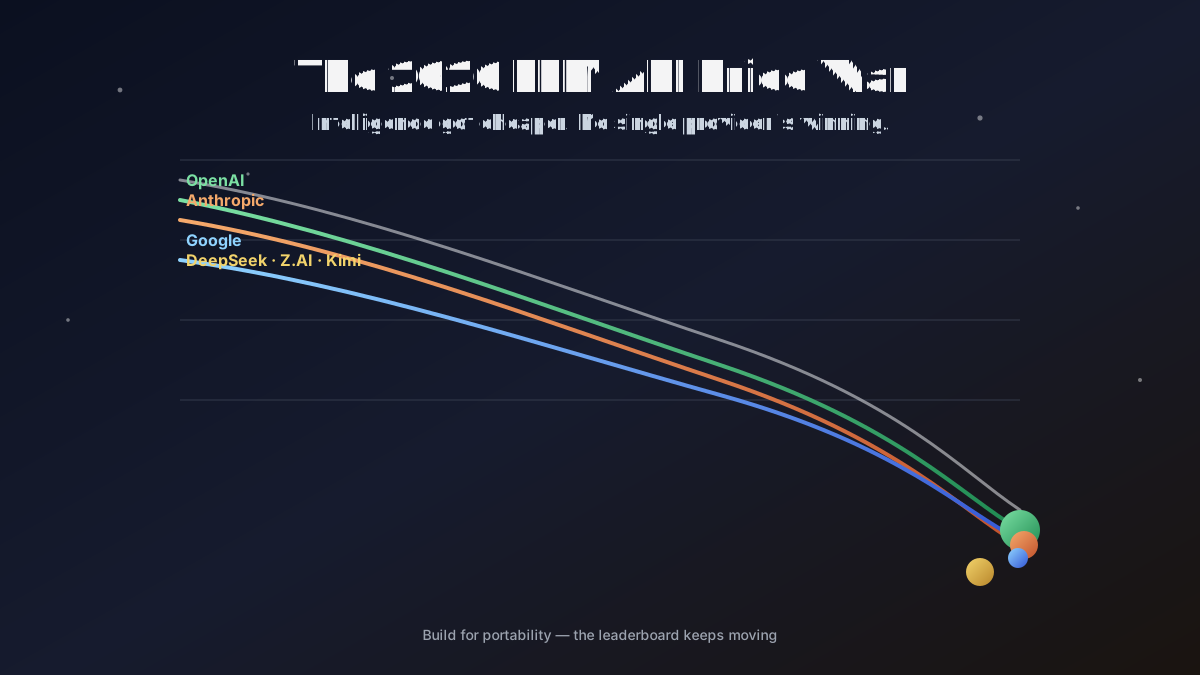
Models are getting cheaper. Buying API capacity is getting harder.
A low price does not solve migration, reliability, or real-task performance. The point of a price war is not to predict a winner; it is to avoid getting trapped.
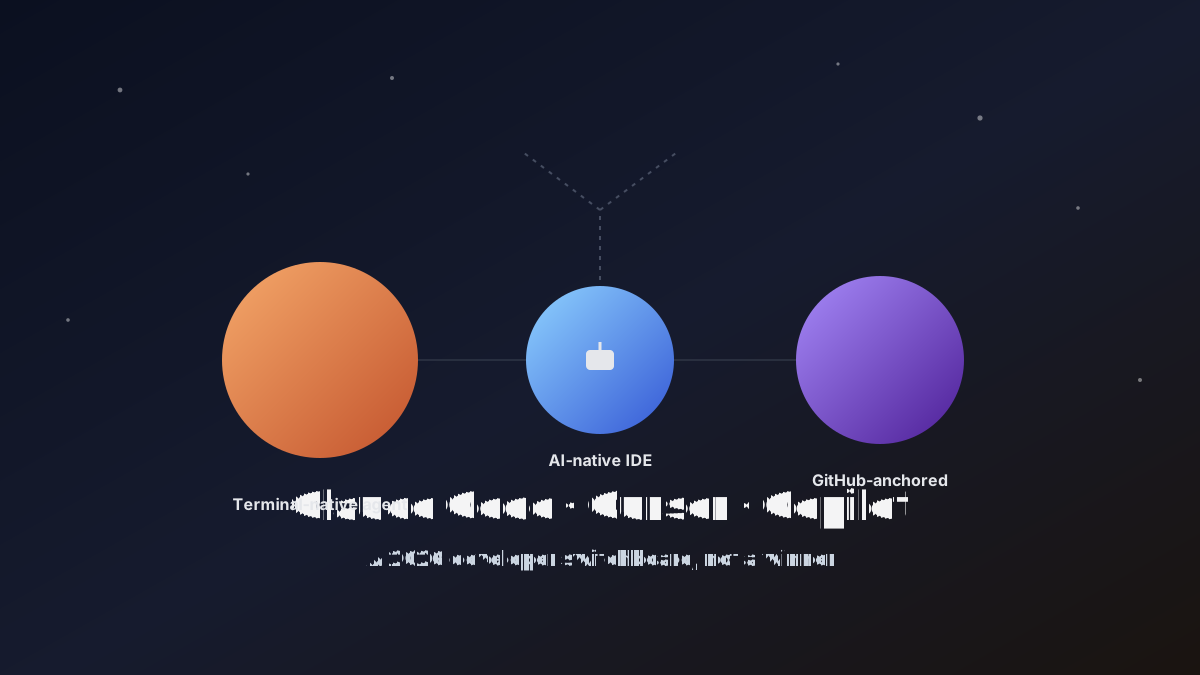
Claude Code, Cursor, or Copilot? Start with the work, not the camp.
The tools are changing quickly and the marketing is loud. The useful choice depends on your repository, your team habits, and the code you need to ship.

Nayuki became a penny stock. The empty AGM is not the whole story.
The fall from HK$19.80 to below HK$1 is about more than sentiment: premium tea stores, delivery economics, and the profit story all changed together.

Abao goes public beta: can one sentence really start a day of errands?
Ant Group is moving Abao from invitation-only testing to public beta, tying payments, travel, bills, and local services into task flows started in plain language.
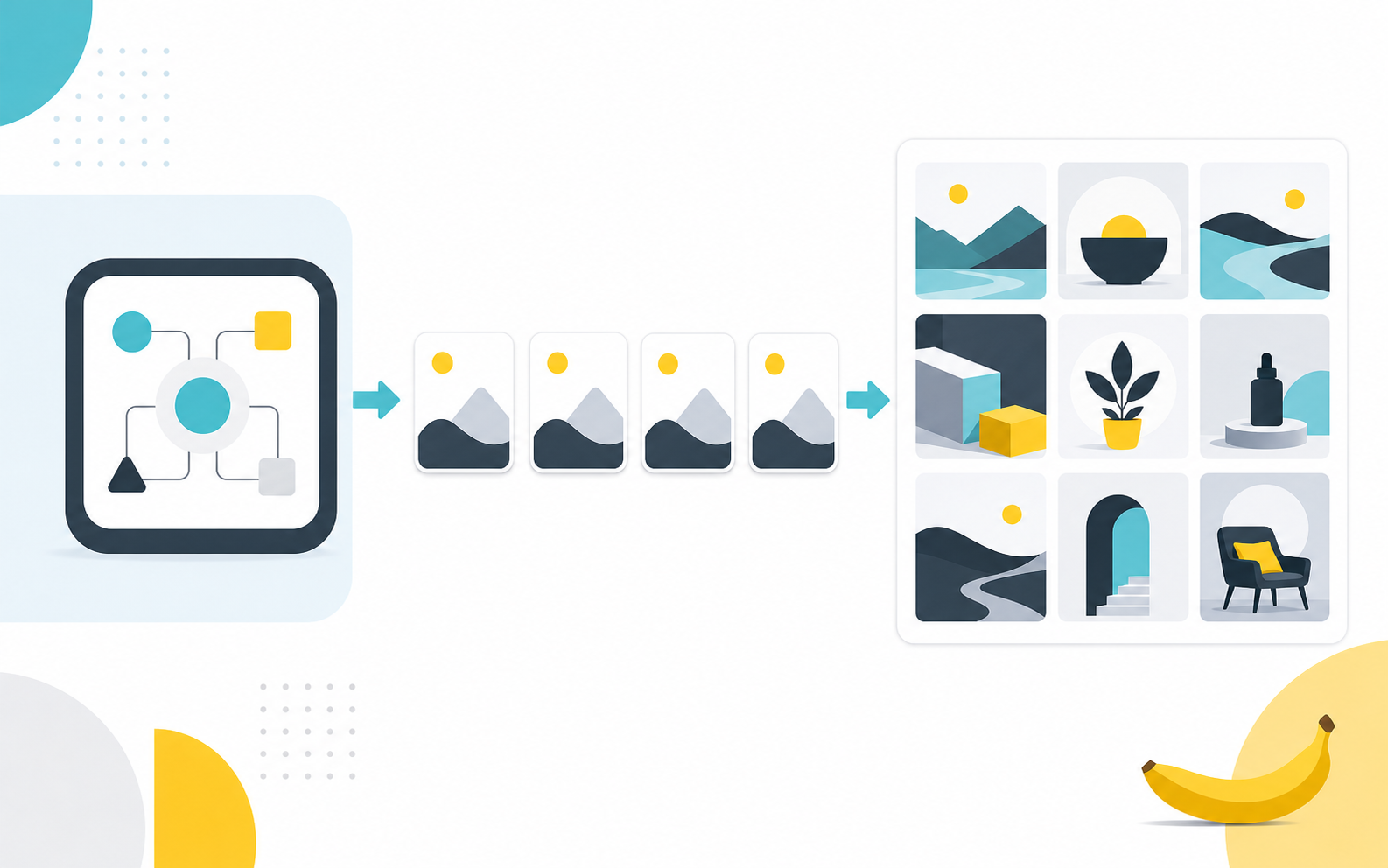
Nano Banana 2 Lite is faster at more than making images: it makes trying again cheaper
Google's quicker, lower-cost Gemini image tier may not be for every final asset, but it makes the back-and-forth of visual experimentation less expensive.
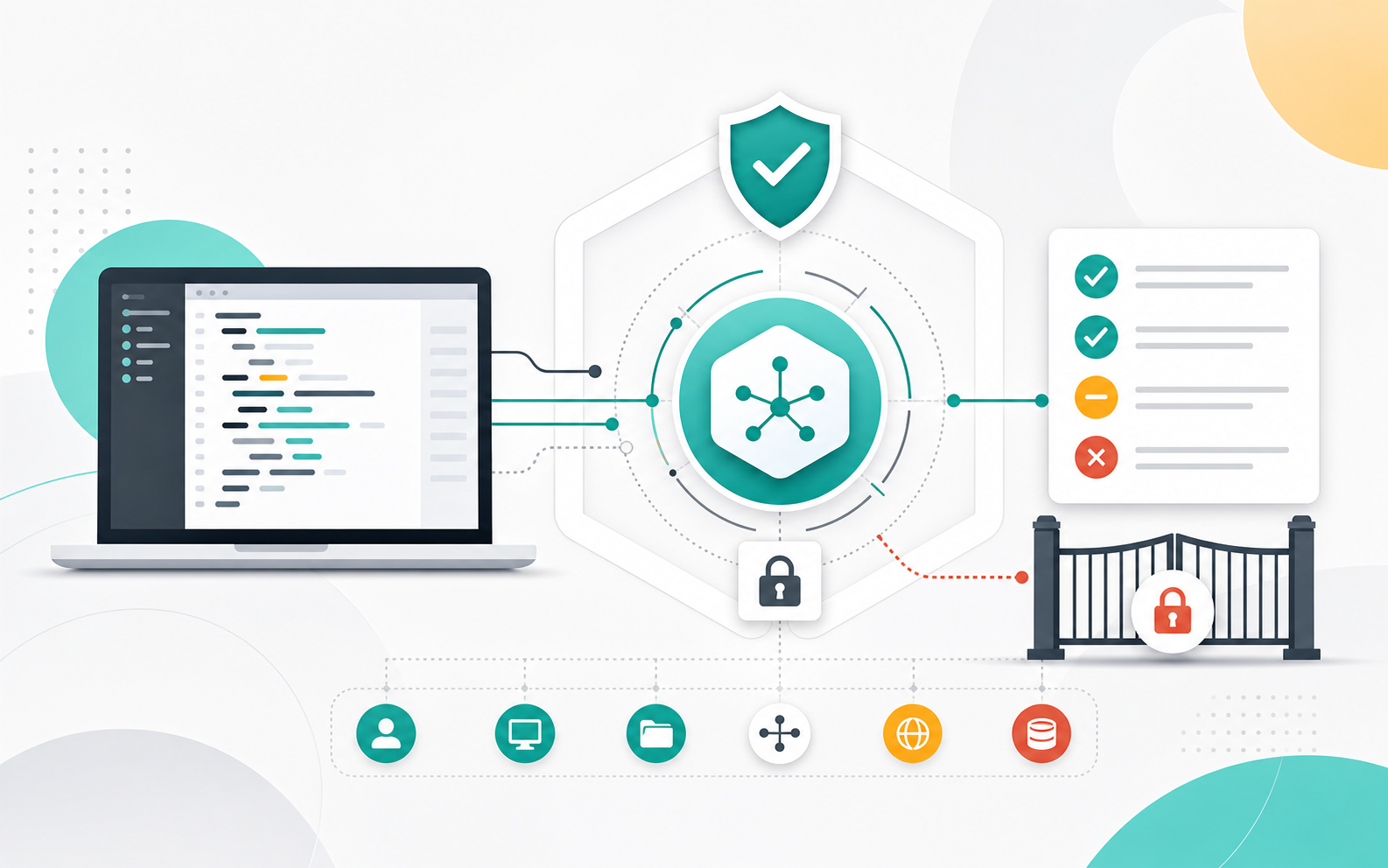
Alibaba's Claude Code restriction: confirmed facts and unsupported claims
Multiple reports corroborate a workplace restriction, but that decision and technical allegations such as a backdoor are different claims. This article separates the evidence and gives teams a practical review checklist.

Claude got cheaper. Your bill may not.
Sonnet 5 has a lower unit price, but real cost still depends on token use, retries, and workflow design. Account and platform trust remain a separate problem.
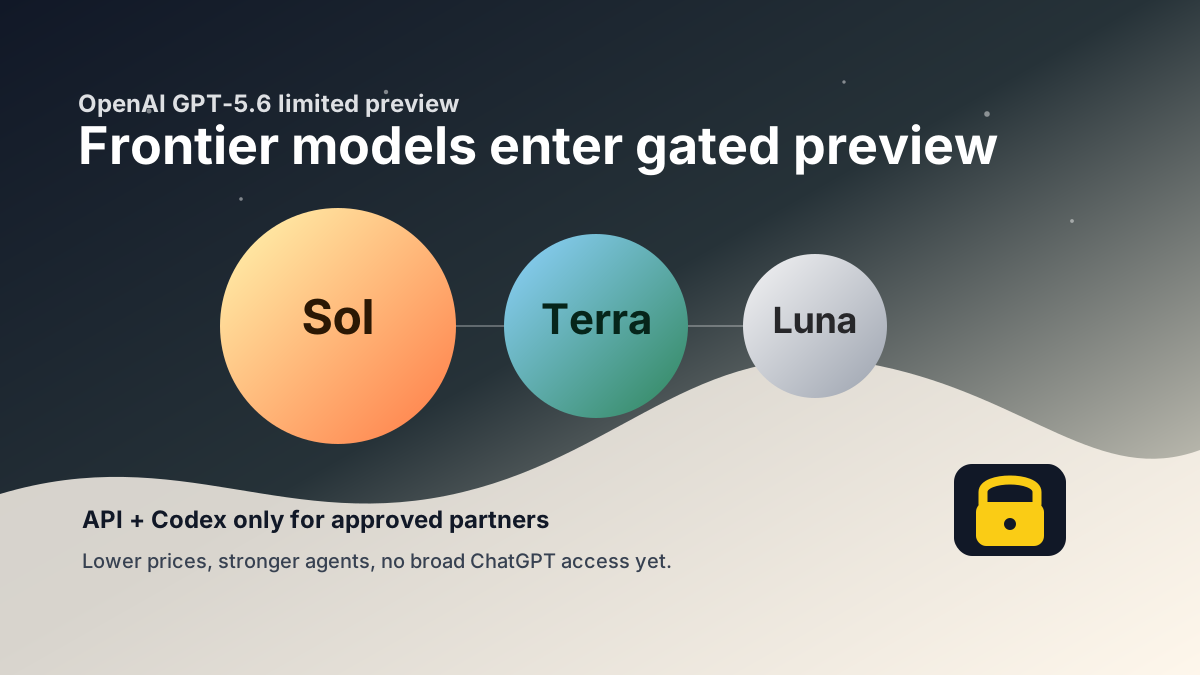
Who gets GPT-5.6 first matters more than its benchmark score
Sol, Terra, and Luna have appeared, but access is still selective. The preview shows developers how frontier models are being tiered, priced, and controlled.